Ready in minutes
AI builds your ad from a single prompt


January 22, 2026
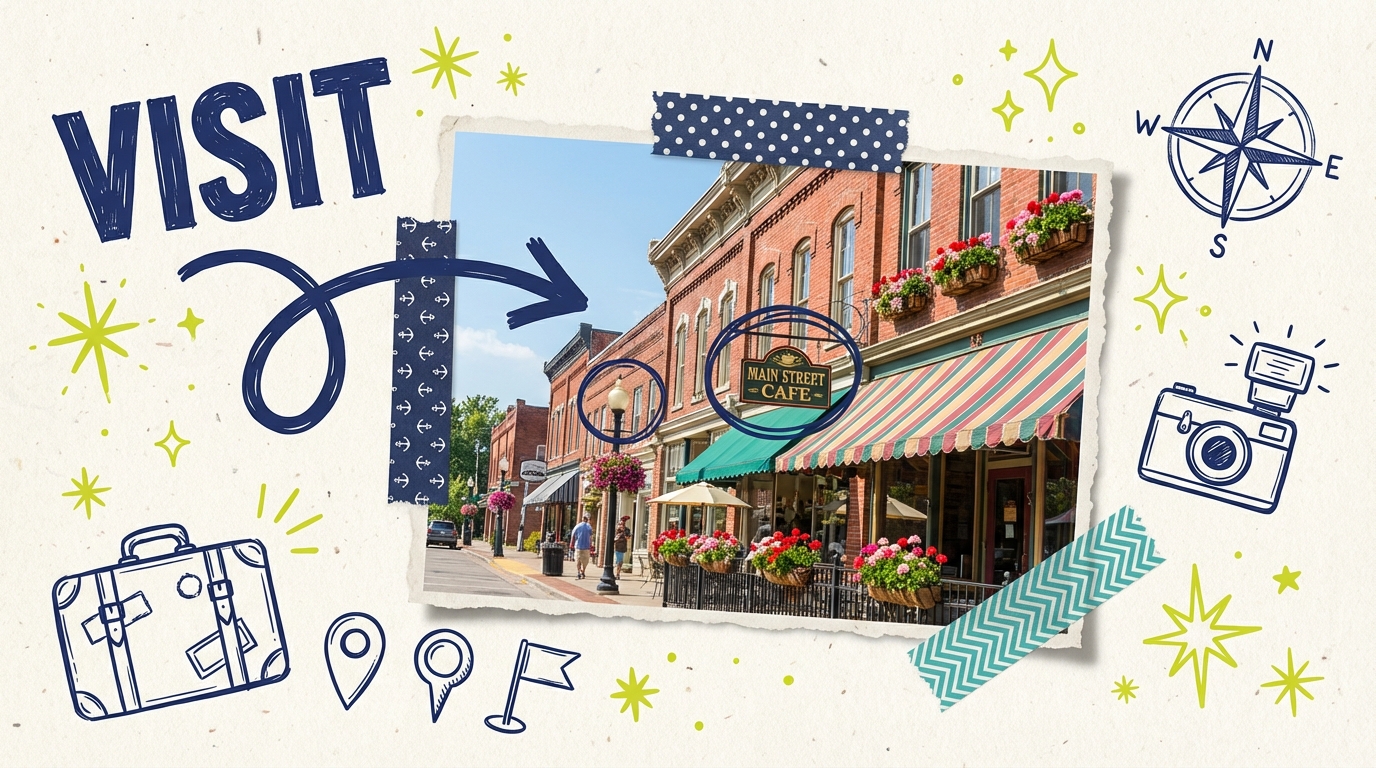
Small cities and regional destinations often have incredible stories to tell. Historic downtowns, natural attractions, unique festivals, and authentic local experiences that larger cities can't replicate. The challenge isn't having something worth visiting. It's getting the word out to people who would love to come.
Tourism marketing for smaller destinations requires a different playbook than what major cities use. You don't have unlimited budgets. You're competing against places with professional marketing teams and eight-figure campaigns. But you have advantages too: authenticity, uniqueness, and the ability to deliver experiences that feel genuinely special rather than manufactured.
This guide covers practical strategies for tourism marketing that work at any budget, from free tactics to affordable paid media that can reach millions of potential visitors.

Tourism dollars have an outsized impact on smaller communities. Unlike large metropolitan areas with diversified economies, many small cities and rural destinations depend heavily on visitor spending to support local businesses, create jobs, and generate tax revenue.
According to the U.S. Travel Association, tourism is one of the largest employers in the country, supporting over 15 million jobs. For small communities, those jobs often represent a significant portion of local employment.
The math works differently for smaller destinations. A medium-sized city might need thousands of new visitors to notice the economic impact. But for a town of 10,000 people, attracting an additional 500 visitors who each spend $200 can generate $100,000 in direct economic impact, plus the multiplier effect as that money circulates through the local economy.
Here's the thing: people are actively looking for alternatives to crowded tourist destinations. The pandemic accelerated a trend toward "off the beaten path" travel, with visitors seeking smaller towns, outdoor experiences, and authentic local culture. Your destination might be exactly what millions of travelers are searching for.
Before spending money on marketing, you need clarity on what makes your destination worth visiting. Every successful tourism campaign starts with a clear brand identity.
What can visitors experience in your destination that they can't find elsewhere? Think beyond the obvious tourist attractions.
Consider your authentic local culture. Are there traditions, festivals, or cultural practices unique to your area? Culinary specialties that reflect your region's heritage? Local artisans creating distinctive crafts?
Think about natural assets. Perhaps you have access to natural beauty that larger cities can't match. Lakes, mountains, rivers, forests, unique geological formations, or wildlife viewing opportunities all attract specific visitor segments.
Don't overlook historical significance. Many small cities played important roles in national or regional history. Historic districts, battlefields, architectural heritage, or connections to notable figures can anchor tourism strategies.
Finally, identify experiential opportunities. What can visitors do in your destination? Outdoor recreation, agritourism, wine or craft beverage trails, arts districts, antique shopping, or unique local events all provide reasons to visit.
Not everyone is your ideal visitor. Trying to appeal to everyone usually means appealing to no one effectively. Define specific visitor segments you're best positioned to attract.
Consider geographic proximity first. Most visitors to small destinations come from within a few hours' drive. Your primary marketing efforts should focus on population centers within your realistic driving radius.
Think about demographic alignment. What age groups, income levels, and life stages align with what your destination offers? A historic downtown with boutique shopping appeals to different visitors than mountain biking trails or fishing access.
Interest-based targeting matters too. Outdoor enthusiasts, history buffs, foodies, art lovers, families with children, couples seeking romantic getaways. Each group responds to different messages and channels.
Once you understand what you offer and who you're talking to, develop a clear message that communicates your destination's appeal quickly and memorably.
The best destination messages combine emotional appeal with specific differentiation. "Where adventure meets tradition" says something different than "Historic charm, modern experiences" or "Your escape from the everyday."
Avoid generic tourism language that could describe anywhere. Phrases like "something for everyone" or "hidden gem" don't communicate anything specific about your destination.

Digital marketing provides cost-effective ways for smaller destinations to reach potential visitors where they're already planning trips.
Your destination's website serves as the hub for all marketing efforts. Before investing in driving traffic, make sure your website converts visitors into actual visitors.
Prioritize mobile experience above everything else. Most travel research happens on phones. If your site isn't fast and easy to use on mobile devices, you're losing potential visitors before they even consider your destination.
Create content that helps trip planning. What can people do? Where can they stay? Where should they eat? How long should they plan to visit? Answer these questions prominently.
Include high-quality imagery and video that showcases your destination authentically. Stock photos that could be anywhere undermine your message. Real photos of real places in your destination build credibility and desire.
Make it easy to take action. Clear calls to action, event calendars, contact information for visitor services, and links to local business listings all help convert interest into visits.
Creating valuable content helps your destination appear when travelers search for trip ideas, activities, or experiences you offer.
Develop content around what visitors want to know. "Best hiking trails near [your city]" or "Where to eat in [your region]" or "Weekend trip ideas from [nearby major city]" all represent searches your destination could rank for.
Create themed itineraries that show visitors how to spend their time. "A Perfect Weekend in [Your City]" or "Three Days of Outdoor Adventure in [Your Region]" help potential visitors visualize their trip.
Document events, festivals, and seasonal attractions with content that can rank year after year. People planning trips often search months in advance, so content about your annual festival can drive visits for years.
Consider video content seriously. Travel is inherently visual, and platforms like YouTube and TikTok have become major travel research channels. Even simple video showcasing your destination's appeal can reach thousands of potential visitors.
Social media builds awareness and keeps your destination top of mind for potential visitors.
Focus on platforms where your target visitors spend time. Instagram works well for visually appealing destinations. Facebook reaches older demographics effectively. TikTok can generate massive reach among younger travelers with the right content.
User-generated content is powerful for destinations. Encourage visitors to share their experiences and reshare the best content (with permission). Real visitor photos often perform better than professional marketing images.
Engage with your community actively. Respond to questions. Share local business content. Feature community events. Social media that feels like it comes from a real place, not a marketing department, performs better.
When travelers search for experiences you offer, your destination should appear. Search engine optimization (SEO) helps make that happen.
Research keywords that potential visitors actually search. Tools like Google's Keyword Planner or free alternatives can show you what people search when planning trips to your region.
Create dedicated pages targeting specific visitor interests. A page about "fishing in [your region]" can rank for searches from anglers. A page about "romantic getaways near [major city]" can capture couples trip planning.
Build local SEO presence by claiming and optimizing your Google Business Profile (for visitor centers or chambers of commerce), encouraging reviews, and ensuring consistent information across the web.
Small destinations can punch above their weight by partnering with complementary organizations.
Join forces with neighboring destinations to market your region collectively. Visitors often explore multiple destinations in a single trip, so regional marketing benefits everyone.
State tourism offices often have programs specifically for smaller destinations. Co-op advertising programs, media familiarization trips, and inclusion in state marketing campaigns can provide exposure your budget couldn't achieve alone.
Regional tourism organizations can share costs for marketing initiatives, trade show presence, and research that would be too expensive for individual communities.
Your local businesses are both beneficiaries of tourism and potential marketing partners.
Create packages or itineraries that feature local businesses. A "craft beverage trail" that includes breweries, wineries, and distilleries gives visitors a reason to explore multiple businesses.
Encourage businesses to cross-promote. The bed and breakfast can recommend the restaurant. The outfitter can suggest the coffeehouse. This creates a welcoming ecosystem that improves visitor experience.
Develop a unified brand that local businesses can use in their own marketing. When the restaurant, the hotel, and the attractions all reference the same destination brand, it reinforces recognition.
Travel influencers and content creators can introduce your destination to audiences you couldn't reach otherwise.
Focus on micro-influencers with engaged audiences rather than mega-influencers with millions of followers. A creator with 20,000 followers who are genuinely interested in the type of experiences you offer often delivers more value than one with 500,000 generic followers.
Host media familiarization trips (fam trips) that bring creators and journalists to experience your destination. The coverage they produce often reaches far more people than equivalent advertising spend.
Build ongoing relationships rather than one-time transactions. Creators who love your destination and return multiple times become authentic advocates.

Paid media extends your reach beyond organic channels to actively reach potential visitors.
Digital advertising allows precise targeting of potential visitors based on interests, demographics, and behaviors.
Search advertising puts your destination in front of people actively planning trips. When someone searches "weekend getaways from [major city]" or "fall festivals in [your state]," your ad can appear at the top of results.
Social media advertising reaches people based on interests like travel, outdoor recreation, or specific activities you offer. The visual nature of platforms like Instagram makes them particularly effective for destination marketing.
Display advertising can reach travelers browsing travel sites, reading relevant content, or researching trips. Retargeting can re-engage people who have visited your website but haven't yet committed to visiting.
Here's a secret that most small destinations don't know: TV advertising is now accessible at budgets that make sense for smaller communities.
Traditional TV advertising required minimum buys of $10,000 or more, plus expensive production costs. That made TV effectively unavailable for most destination marketing organizations. But streaming TV has changed the equation entirely.
Connected TV (CTV) advertising lets destinations reach potential visitors watching content on Hulu, Peacock, and other streaming services with budgets starting at just $50. You can target specific geographic areas, reaching viewers in the cities most likely to visit your destination.
The targeting capabilities are particularly valuable for destination marketing. You can reach viewers within your driving radius, target people interested in travel and outdoor activities, and focus spending on the demographics most likely to visit.
TV builds awareness and desire in ways digital ads often can't match. A 30-second video showcasing your destination's beauty, activities, and charm creates emotional connection that static images and text struggle to achieve.
For small destinations competing against places with much larger marketing budgets, TV advertising on streaming platforms provides access to a channel that was previously only available to major tourism organizations.
With Adwave, destinations can create professional TV commercials automatically and run them on 100+ premium channels targeting specific regions. This levels the playing field significantly.
Effective measurement helps you understand what's working and optimize your marketing investments.
Website traffic and engagement show how many people are researching your destination and how they interact with your content. Look at unique visitors, time on site, pages viewed, and conversion actions like downloading itineraries or clicking through to local business listings.
Social media metrics including reach, engagement, and follower growth indicate brand awareness building. Track which content performs best to inform future efforts.
Economic impact measures like hotel occupancy, sales tax receipts, and visitor center traffic provide concrete evidence of tourism activity. Many destinations track these metrics monthly to identify trends.
Attribution from specific campaigns helps you understand which marketing efforts drive results. Tracking codes, dedicated landing pages, and asking visitors "how did you hear about us" all provide attribution data.
Tourism marketing isn't a year-round constant effort. Your strategy should account for seasonal patterns.
Peak season marketing focuses on conversion. When visitors are most likely to travel, your messaging should drive immediate action with specific events, availability, and calls to visit now.
Shoulder season marketing builds awareness and creates reasons to visit during traditionally slower periods. Special events, seasonal attractions, or value messaging can extend your visitor season.
Off-season marketing maintains awareness so potential visitors remember your destination when they start planning future trips. This is often the most cost-effective time to build brand recognition.
Avoid these pitfalls that undermine many small destination marketing efforts.
The temptation to cast the widest possible net usually results in generic marketing that doesn't resonate with anyone specifically. Better to own a clear positioning with one audience segment than to be forgettable to everyone.
Tourism marketing works through sustained effort over time. Sporadic campaigns that start and stop prevent you from building momentum and recognition. Consistent presence, even at lower spending levels, usually outperforms occasional big pushes.
Marketing can bring visitors, but only great experiences bring them back and generate word-of-mouth. Ensure your destination delivers on what your marketing promises. Disappointed visitors become anti-marketing that no campaign can overcome.
Travel decisions are inherently visual. Destinations that skimp on photography, video, and visual content handicap all their marketing efforts. Invest in capturing your destination beautifully.
Your residents are potential ambassadors or potential detractors. Keep locals informed about tourism initiatives, address concerns about visitor impacts, and help them understand the economic benefits tourism provides. Residents who feel tourism enhances their community become powerful advocates.
If you're starting or revamping your destination marketing, here's a practical 90-day plan.
Days 1-30: Foundation Audit your current digital presence. Is your website effective? Are your social profiles complete and active? Document what's working and what needs improvement.
Define your brand positioning and target visitor segments. Get clear on what makes your destination unique and who you're trying to reach.
Create a content calendar for the next quarter. Plan posts, content, and any campaigns you'll run.
Days 31-60: Implementation Improve your website based on your audit findings. Prioritize mobile experience and clear conversion paths.
Begin consistent social media posting. Focus on quality over quantity, with at least 3-4 posts per week.
Develop two or three pieces of substantial content (blog posts, videos, or guides) targeting your priority keywords.
Days 61-90: Amplification Launch paid advertising tests with modest budgets. Try multiple channels (search, social, TV) with small spends to see what performs.
Reach out to potential partners, influencers, or collaborators who could extend your reach.
Review performance data and adjust your strategy based on what's working.
How much should a small city budget for tourism marketing? Tourism marketing budgets vary widely, but a common benchmark is 2-4% of total tourism economic impact. For many small destinations, this translates to $50,000-$200,000 annually. However, effective marketing is possible at any budget level. The key is consistency and strategic focus rather than trying to do everything at once. Start with what you can sustain and scale up as you demonstrate results.
What's the most cost-effective tourism marketing channel? Content marketing and SEO often provide the best long-term return because content continues working long after you create it. However, these channels take time to build. For faster results, targeted digital advertising on social media or streaming TV can reach potential visitors quickly. The most effective approach usually combines long-term content building with strategic paid media.
How do small destinations compete with major tourism brands? By not trying to compete directly. Small destinations win by offering experiences that major destinations can't: authenticity, personal connection, unique local character, and the chance to escape crowds. Position your marketing around these advantages rather than trying to match what bigger destinations offer.
When should tourism marketing efforts start before peak season? Trip planning often begins 2-3 months before travel, sometimes longer for major trips. Start awareness-building campaigns at least 90 days before your peak season. Increase conversion-focused messaging 30-60 days out when travelers are making final decisions.
Should small destinations hire marketing agencies or keep efforts in-house? It depends on your resources and expertise. Agencies bring specialized skills and can execute campaigns efficiently. In-house efforts maintain control and institutional knowledge. Many destinations use a hybrid approach, keeping strategy and community engagement in-house while outsourcing specialized functions like advertising management or content production.
Ready to bring more visitors to your destination? Create a TV ad that showcases what makes your community special, starting at just $50.